Maturango Museum Calendar including lectures, exhibits, concerts, free days, children’s programs, meetings, special events and more.

- This event has passed.
Conservation in the IWV Event 2026: Pollinators, Desert Gardens and Water Free Saturday
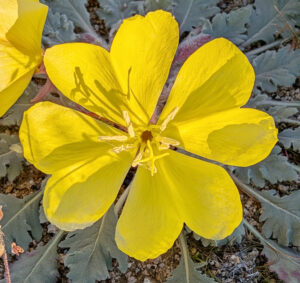
Meet some of our local conservation organizations, pick up some garden tips, learn about our local insects, plants and other wildlife. We have wonderful ideas to share with you!
In our local desert bio-diversity we have quite an abundance of wildlife and plants in our diverse range of habitats. While most of our human residents see mainly the creosote shrubland of the valley floor, we are actually on the boundary edges of three converging eco-regions; technically Ridgecrest is in northwest corner of the Mojave Desert, while we also border with the Great Basin and Range to the north and the Sierra Nevada mountains to the west. The diverse ecosystems found in and around the Indian Wells Valley include the Western Mojave Mountain Woodlands, Shrublands, Basins, Arid Steppes, Eastern Sierra Lower and Upper Montane Forests, Great Basin and Mojavean Slopes.
According to the U.S. Fish and Wildlife Service, endangered species of the valley and nearby mountains include the Fisher, Sierra Nevada Red Fox, California Condor, Inyo California Towhee, Western Snowy Plover, Monarch Butterfly, Mojave Desert Tortoise, and an ice-age remnant fish the Mohave Tui Chub.
While there are no designated critical habitats for endangered species on the valley floor, there are in the surrounding mountain areas as well as seven Federal Wilderness areas which help conserve wildlands for many vital species: Kiawah, Owens Peak, El Paso Mountains, Chimney Peak, Sacatar Trail, South Sierra, and Coso Range. In addition, as the Indian Wells Valley is a part of the Pacific Flyway bird migratory path in the spring and fall, The Audubon Society has designated some of the riparian desert/montane ecosystems as “Important Bird Areas”. These areas include: Argus Range – South, Southern Sierra Desert Canyons, and three seasonally riparian North Mojave Dry Lakes.
Surprisingly, our high desert valley is the seasonal home to thousands of shorebirds, marsh birds and other waterfowl during the winter. Ever popular, the Snow Geese over-winters here with the average flock size of about 1,700, according to the local Kerncrest Audubon’s Christmas Bird Count numbers since 1987. Some of these Snow Geese travel from as far away as their nesting area on Wrangel Island, Siberia – over 3,200 miles one way. They come for our park’s grass and mild winter, likely due to the loss of 90% of California’s original wetlands and marsh grass of the northern and central valleys since 1920.
Other species native to our area which are important keystone species include the Creosote Bush and the Joshua tree. Unarguably the long-lived Mojave Creosote Bush is the predominant shrub of the Mojave Desert, and although it is not considered a valuable food source, it is one of the few plants available for shelter, shade and good burrowing sites for our threatened/endangered species such as the Mojave Desert Tortoise, Mohave Ground Squirrel and Burrowing Owl. (The oldest creosote known as “The King Clone” of Lucerne Valley, has been dated to 11,700 years old!) The Joshua tree, an important shade, shelter and nesting source, is losing habitat rapidly due to rising temperatures, increasing wildfires and urban sprawl. We are fortunate to have them in our local canyons at higher elevations, as they are a great source of supporting habitat and even food sources for some species like the Cactus Wrens, Yucca Moths and Kangaroo Rats.
All these local species of flora and fauna depend on us to be good stewards of our environment. What benefits do we gain from a local biodiverse and healthy ecosystem? The less obvious services which we should ponder include cleaner air and less dust pollution, recycling of waste and nutrients for healthy soil, healthier water filtered at depth in our aquifer, regeneration of oxygen even from micro-soil cyanobacteria – the list goes on and on. This leads us to water conservation, along with a host of other mindful habits we human neighbors can do to help nature. Recycle/reuse, compost, plant native plants, support pollinators by eliminating or minimizing garden toxins, provide wildlife nesting, food, shelter resources and reducing hazards where possible such as covering trash against predatory animals such as Ravens, minimizing outdoor cat and dog threats, and over-bright white night lighting which disrupts night migrations.
Back to our own water – we need to support water conservation in our high desert area for human consumption – but our local springs also need it to support nature.
This year we are featuring a guest speaker focused on sustainable living with local insects, bee researchers from Cerro Coso Community College, and garden tours by the Maturango staff showcasing native plants and the new pollinator habitat.